
ఇవాళ నన్ను నేను తాకి చూసుకుంటే,
నిన్నటివరకు ఏమీలేని ఈ హువాన్ కి, ఇవాళ అన్నీ ఉన్నాయి.
అన్నీ ఉన్నాయి నా కివాళ.
నేను నాలుగు పక్కలా తిరిగి చూస్తున్నా,
నన్ను నేను తాకి చూసుకుంటున్నా,
నన్నునేనే ప్రశ్నించుకుంటున్నా… ఇది ఎలా సాధ్యపడింది?
.
ఏంటేమిటున్నాయో చూదాం,
నేను నా దేశంలో ఎక్కడికైనా తిరగొచ్చు, ఇక్కడ ఉన్నవన్నీ నావే.
నిన్నటివరకూ దగ్గరనుండి పరిశీలించలేనివీ, పరిశీలించలేనివీ, ఇవాళ చూడొచ్చు.
ఇవాళ నేను ఈ చెరుకుతోటలూ, మహాపర్వతాలూ, నగరాలూ, ఈ సైన్యం,
నావి, నీవి, మనందరివీ అనొచ్చు;
ఈ ప్రకాశవంతమైన సూర్యకిరణాలూ, నక్షత్రాలూ, పువ్వులూ అన్నీ.
.
ఇంకా చెప్పాలంటే, నేనెవరిదగ్గరకైనా వెళ్ళగలను.
నే నొక రైతుని, శ్రామికుడిని, సగటుమనిషిని.
అయినా, ఉదాహరణకి,
ఒక బేంకుకి వెళ్ళి మేనేజరుతో మాటాడగలను;
ఇంగ్లీషులో మాటాడనక్కరలేదు. “అయ్యా” అని కాకుండా
స్పానిష్ లో అనేట్టుగా, మిత్రమా అని పలకరించవచ్చు.
ఇంకా, ఇప్పుడు నేను నల్లవాణ్ణనీ, ప్రవేశంలేదనీచెప్పి
డాన్స్ హాలు ముందునో, బార్ ముందునో నన్నెవ్వడూ నిలదియ్యడు;
హోటలు లాబీ లోకి రాకుండానే, “గదులు ఖాళీలేవు” అని ఎవరూ అరవడు.
పేద్ద గదులేవీ అక్కరలేదు.
ఇప్పుడు హాయిగా విశ్రాంతి తీసుకుందికి నాకో చిన్న గది దొరుకుతుంది.
.
ఇప్పుడు నన్ను ఏ పోలీసూ నిష్కారణంగా అనుమానించి
బలవంతంగా జైలులో తోసీడు; నా భూమి నా దగ్గరనుండి లాక్కుని
నడిరోడ్డుమీద ఎవ్వరూ వదిలీరు; ఇప్పుడు నాకు ఈ భూమీ,
సముద్రమూ కలిగి ఉన్నంత సంతృప్తి ఉంది.
క్లబ్బులూ, విలాసవంతమైన జీవితమూ, టెన్నిస్ కోర్టులూ,
పడవలూ లేకపోవచ్చు; అయితే నేం? ఇప్పుడు తీరం నుండి తీరం వరకూ,
కెరటం మీదనుండి కెరటానికి, ఒక్క మాటలో చెప్పాలంటే,
అందరికీ చెందిన ఈ అతివేలమయిన ఈ నీలి మహాసముద్రం నాదే.
.
ఇప్పుడు నాకు చదువుకుందికీ, లెక్కలునేర్చుకుందికీ ఉంది,
రాయడానికీ ఆలోచించడానికీ మనఃస్ఫూర్తిగా నవ్వుకూందికీ ఉంది,
నేను తినేది సంపాదించుకుందికి నాకు పనిచెయ్యడానికి ఒక చోటు ఉంది.
అసలు నాకు ఏవయితే ఉండాలో అవన్నీ ఉన్నాయి.
.
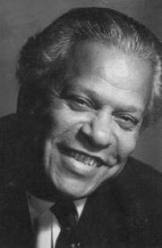
నికొలాస్ గిగేన్
(జులై 10 1902 – జులై 16, 1989)
క్యూబా
.
I Have
.
When I see and touch myself,
I, Juan with Nothing only yesterday,
and Juan with Everything today,
and today with everything,
I turn my eyes and look,
I see and touch myself,
and ask myself, how this could have been.
I have, let’s see,
I have the pleasure of going about my country,
owner of all there is in it,
looking closely at what
I did not or could not have before.
I can say cane,
I can say mountain,
I can say city,
say army,
now forever mine and yours, ours,
and the vast splendor of
the sunbeam, star, flower.
I have, let’s see,
I have the pleasure of going,
me, a farmer, a worker, a simple man,
I have the pleasure of going
(just an example)
to a bank and speak to the manager,
not in English,
not in “Sir,”but in compañero as we say in Spanish.
I have, let’s see,
that being Black
no one can stop me at the door of a dance hall or bar.
Or even on the rug of a hotel
scream at me that there are no rooms,
a small room and not a colossal one,
a tiny room where I can rest.
I have, let’s see,
that there are no rural police
to seize me and lock me in a precinct jail,
or tear me from my land and cast me
in the middle of the highway.
I have that having the land I have the sea,
no country clubs,
no high life,
no tennis and no yachts,
but, from beach to beach and wave on wave,
gigantic blue open democratic:
in short, the sea.
I have, let’s see,
that I have learned to read,
to count,
I have that I have learned to write,
and to think,
and to laugh.
I have… that now I have
a place to work
and earn
what I have to eat.
I have, let’s see,
I have what I had to have.
.
(Courtesy: A Translation into English by J.A. Sierra from historyofcuba.com/history/havana/GuillenE.htm)


స్పందించండి